Rewriting the rules
Although some hints of economic optimism and growth are returning, uncertainty and resilience will remain the backdrop for 2026. But people are no longer content with simply treading water.
In response to economic pressures, digital acceleration and cultural fragmentation, daily decisions — even small ones like what, where, when, why and how we eat and drink — are becoming more intentional.
Over the past decade, expectations of food have grown, particularly as a source of fuel and a tool for performance. Optimisation has become the default setting. But in 2026, those demands are shifting and softening. While regulation and reassurance still matter, this can no longer come from labels alone. There is a growing desire for meaning beyond this baseline of efficiency; a quiet pushback against food that only knows how to measure, improve and instruct. Instead, how food makes us feel when we buy, share or consume it becomes the differentiator.
A new signal begins to surface
This shift in emphasis from nutritional product claims to responding to the body’s feelings can be summed up as Emotional Nutrition.
Food and drink are increasingly designed around how they make the body feel — calm, grounded, satisfied, comforted — rather than what they promise to fix or optimise. Texture, temperature, aroma, pacing and ritual matter as much as ingredients or claims.
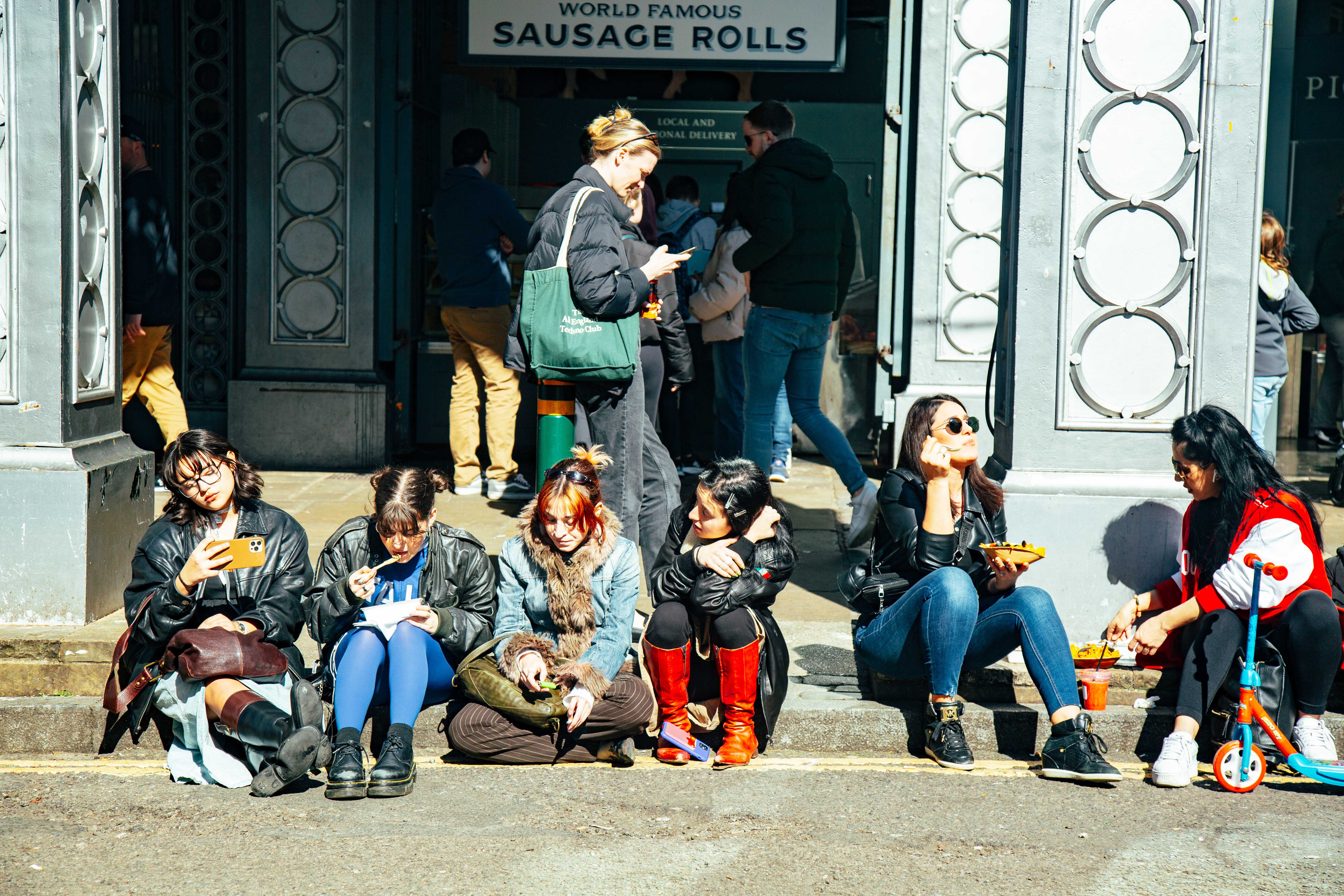
What’s striking is how this shows up. Wellness becomes increasingly messy, disobedient and personal. Nobody can tell you how your own body feels. It is often indulgent, layered and increasingly social. Emotional Nutrition doesn’t behave like traditional wellness, and that’s precisely the point.
Why this shift is unavoidable
Three forces converge to make Emotional Nutrition the defining food and drink shift of 2026:
Cognitive and sensory overload
As digital life accelerates and technology claims to have an answer for everything, many people feel they are losing control of their work, their lives and even the truth. In this context, the body becomes the most trusted source of data — one that can’t be hacked, optimised away or taken from us.
Messy wellness replaces optimisation
The era of clean, disciplined wellness is giving way to playful, indulgent formats that hide function inside pleasure. This is not about perfection or restraint. No more fine dining rules — this is the era of Scruffy Hosting, where comfort, generosity and informality matter more than polish. It’s a cultural rejection of wellness that demands obedience.
Inclusion becomes unavoidable
The use of GLP-1s (weight-loss drugs), ageing populations, and neurodiversity are quietly reshaping portion size, satiety, and energy needs. Food and drink must support a wider range of bodies and appetites rather than discipline them into a single ideal. Inclusion is no longer a values-led add-on; it’s a functional necessity.
Together, these forces move wellness from performance to care.
Mapping the New Landscape: How Emotional Nutrition Shows Up
Rather than a single flavour, ingredient or format, Emotional Nutrition appears across categories and unites satisfaction, engagement and regulation.
1. Crunch, cream, heat, fizz and softness replace volume as the route to satisfaction. The sensory contrast delivers intensity without resorting to excess. From Mexican feasts to
Skittles’ ‘swicy’, multi-textured treats, modernised and made to enjoy without shame.
2. Texture slows eating, increases perceived indulgence and supports bodily regulation. Breakfast ramen, mousse-like protein desserts and Bold Bean Co.’s hearty, colourful bean dishes show how protein and fibre can feel comforting, not corrective.
3. Portioning shifts from restraint to satiety. Mini premium desserts, tapas-style mains and reformulated GLP-1-friendly products deliver emotional completeness without excess. Six by Nico’s 4-6 course tasting menus demonstrate how creativity, informality and play can be a joyful substitute for a larger menu. https://www.sixbynico.co.uk/
4. Ingredients like lion’s mane and L-theanine are positioned around calm, steadiness and focus rather than optimisation. Irish brand Tranquilitea sells relaxation in a can: premium, beautifully designed soft drinks using somatic language to create an overall sense of calm.
5. Layered drinks with whipped toppings and drizzles, gut-health snacks and sensory-maximal breakfasts reject sterile health aesthetics. US frozen yoghurt brand 16 Handles’ frozen kefir combines probiotic culture with decadent toppings to provide healthier indulgence.
Here, comfort food becomes a means of emotional regulation, losing its guilt and moral language.
What this is really about
Emotional Nutrition is not just an evolution of functional food and drink, nor is it an aesthetic trend. It reflects a deeper shift in how people make decisions when efficiency becomes invisible infrastructure and trust in brands and systems erodes.
Food and drink choices become daily acts of self-care, not self-control. In a world saturated with optimisation, people are reclaiming agency by focusing on how something feels physically, emotionally and socially.
Why this matters for brands
At its core, Emotional Nutrition signals a rebalancing of power. As systems accelerate beyond comprehension, people turn to food as something they can still feel, interpret and trust.
For brands, this raises the stakes. Designing for feeling is not just a product challenge. It demands a deeper understanding of what people want to feel, when, with whom, and why. Those feelings are shaped as much by brand meaning, price, communications and cultural relevance as by the product itself.
The brands that succeed in 2026 won’t be those that optimise the hardest. They’ll be the ones who are crystal clear about the feeling they want their brand to convey, understand how this connects with the people they serve and can build a coherent, recognisable world that keeps this feeling at its heart.
This article offers a glimpse of where food and drink are heading. To explore the full Food & Drink Trends 2026 framework, including how brands can respond, get in touch.
Sources:
2026 Trend File by Iolanda Carvalho, Ci En L., Gonzalo Gregori and Amy Daroukakis - https://bit.ly/2026trending
BBC - https://www.bbc.co.uk/food/articles/czej8n1xw17o
Waitrose - https://waitrose-foodanddrinkreport.com/report2025/#46
World Trade Organisation - https://www.wto.org/english/res_e/publications_e/gtos1025_e.htm
EY - https://www.ey.com/content/dam/ey-unified-site/ey-com/en-gl/insights/ipo/documents/ey-gl-global-ipo-trends-report-q3-10-2025.pdf
Foresight Factory - https://www.foresightfactory.co/blog/thought-leadership/from-boardroom-paralysis-to-possibility/
WPP Media - https://www.wppmedia.com/news/Latest-Advertising-in-2030
Kantar - https://www.kantar.com/campaigns/marketing-trends
Mintel - https://www.mintel.com/insights/food-and-drink/global-food-and-drink-trends/
Next Atlas - https://www.nextatlas.com/resources/trendreports
Tastewise - https://tastewise.io/2026-trend-forecast
TrendHunter - https://www.trendhunter.com/trends/2026-trend-report
Forrester - https://www.forrester.com/predictions/